Hidden water leaks are one of the most damaging plumbing problems I deal with in Puchong homes. By the time most homeowners notice a problem, the leak has already been running for weeks — sometimes months. I have seen entire bathroom walls eaten by mould, ceilings that collapse without warning, and water bills that triple overnight.
The good news is that most hidden leaks give you warning signs before they cause serious damage. In my years of doing pipe repair in Puchong, I have found that homeowners who catch leaks early save thousands of ringgit in repair costs. Here is what to look for.
1. Unexplained Wall Stains and Discolouration
This is the most visible sign and the one I get called about most often. If you notice yellowish or brownish stains spreading on your walls or ceiling — especially in areas near bathrooms, kitchens, or where pipes run through the wall — there is a strong chance you have a concealed pipe leak behind the surface.
In Puchong homes, particularly terrace houses in Bandar Puchong Jaya and Puchong Perdana, the water supply pipes often run through walls between bathrooms and bedrooms. A pinhole leak in a copper pipe can drip for weeks before the stain becomes visible on the outside.
What to look for:
- Circular or irregular brown/yellow patches on walls
- Paint bubbling or peeling away from the wall surface
- Damp patches that appear and disappear depending on water usage
- Stains that grow larger over time, especially after you use the shower or flush the toilet
2. Rising Water Bills Without Increased Usage
Your monthly Air Selangor bill is one of the best leak detectors you have. If your water bill has climbed by RM20–50 or more over two to three months and your household usage has not changed, a hidden leak is the most likely cause.
I have attended jobs in Taman Puchong Utama where homeowners were paying RM150 per month in water bills for a single-storey terrace house — the normal range should be RM30–60. In one case, a concealed pipe behind the kitchen wall had been leaking for five months. Once we completed the pipe repair, their bill dropped back to RM40 the following month.
How to do the water meter test:
- 1Turn off every tap and water-using appliance in your house — including the washing machine, dishwasher, and water heater inlet.
- 2Go to your water meter (usually located at the front of the house near the gate).
- 3Record the meter reading.
- 4Wait 30 minutes. Do not use any water during this time.
- 5Check the meter again. If the reading has changed, you have a leak somewhere in your plumbing system.
This test is simple but effective. If the meter shows water flowing when nothing is turned on, it confirms there is a leak between the meter and your home — or inside your home.
3. Musty Smell and Mould Growth
Malaysia's humidity makes mould a constant concern, but if you smell a persistent musty or damp odour in a specific room — particularly bathrooms, under sinks, or near walls that back onto wet areas — do not just blame the weather. A hidden leak creates the perfect environment for mould growth inside wall cavities.
I have opened up walls in Bandar Kinrara apartments and found thick black mould growing on the back of plasterboard, all fed by a slow drip from a corroded copper joint. The homeowner had been smelling the dampness for months but assumed it was just Malaysian humidity.
Warning signs:
- Musty smell that gets stronger in specific areas
- Visible mould spots on walls, especially near the floor or ceiling line
- Family members experiencing unexplained allergies or respiratory issues
- Condensation on walls or windows in rooms that are not typically humid
If you can smell it, the leak has likely been active for at least a few weeks. Mould does not grow overnight — it needs sustained moisture. Do not delay calling a plumber.
4. Low Water Pressure Throughout the House
A sudden or gradual drop in water pressure is another telltale sign. If your shower has gone from strong to a trickle, or your kitchen tap takes longer to fill a pot, the water may be escaping through a leak before it reaches your fixtures.
This is different from general low water pressure in Puchong caused by supply issues. With a leak, you will often notice the pressure is specifically lower in certain areas of the house — usually the rooms farthest from the main supply line.
Check for these patterns:
- Pressure drops only affect certain taps or fixtures
- Pressure is worse when multiple taps are running simultaneously
- The problem appeared gradually rather than suddenly (sudden drops suggest a burst pipe)
- Water pressure improves at night when fewer people in your neighbourhood are using water, but remains lower than it used to be
5. Sounds of Running Water When Nothing Is On
This is an easy one to miss in a busy household, but it is very telling. If you can hear the faint sound of water running or dripping behind walls, under floors, or above the ceiling — and every tap in the house is turned off — there is water moving where it should not be.
I recommend doing this test late at night when the house is quiet. Walk slowly through each room, pausing to listen near walls, floors, and the ceiling. Pay extra attention to walls adjacent to bathrooms and the kitchen.
6. Wet Spots on Floors or Shifting Tiles
In many Puchong terrace houses and condominiums, water supply pipes run beneath the floor slab. When these pipes develop leaks, the water seeps upward. You may notice:
- Tiles that feel warm in one spot (hot water pipe leak)
- Tiles that are loose or have shifted from their original position
- Persistent dampness on the floor, especially near walls
- Grout lines that are always wet or discoloured
If you notice warm spots on your floor in areas nowhere near your water heater, it is almost certainly a hot water pipe leak beneath the slab. This type of leak requires professional detection equipment to pinpoint without tearing up the entire floor.
What to Do When You Suspect a Hidden Leak
If any of these signs match what you are experiencing, here is my recommended action plan:
- Do the water meter test to confirm whether water is flowing when it should not be.
- Document what you see. Take photos of stains, damp spots, or mould. Note which rooms are affected and when you first noticed the issue.
- Do not start hacking walls yourself. Without proper detection, you could open up the wrong area and cause unnecessary damage. A professional plumber can use detection methods to pinpoint the exact location first.
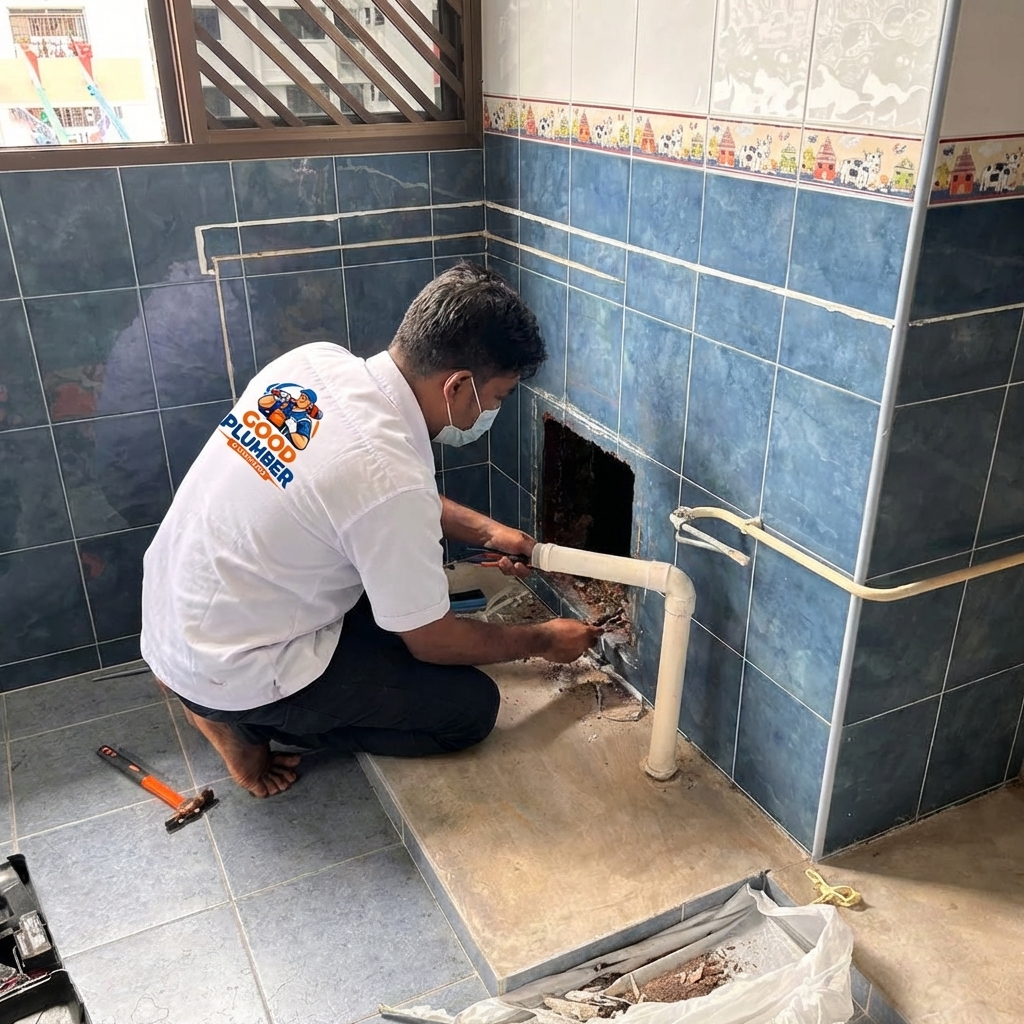
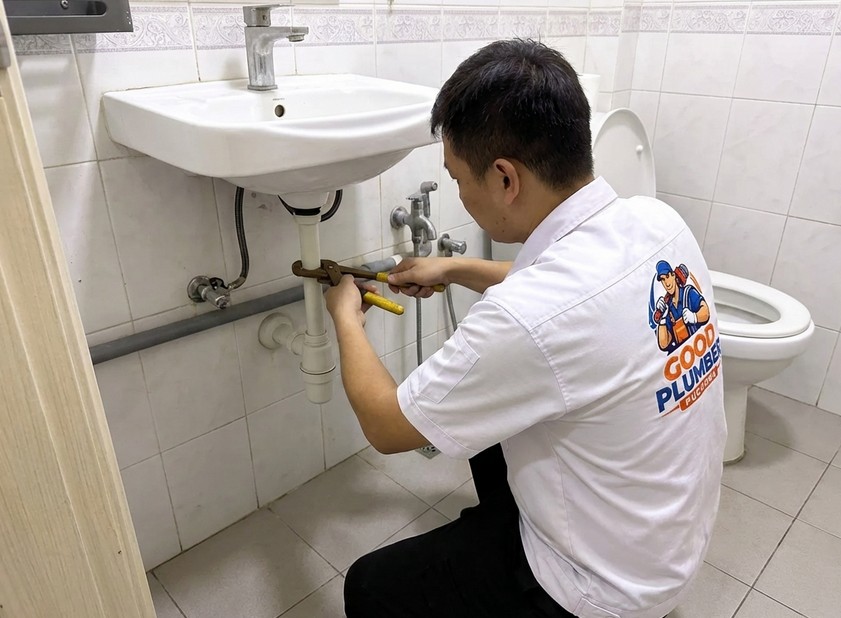
- Contact a licensed plumber. We use a combination of visual inspection, pressure testing, and moisture detection to locate concealed leaks accurately. Once we find the exact spot, we open only what is needed, repair the pipe, and restore the surface.
If you are dealing with ceiling stains specifically, our ceiling water leak repair service is designed to handle exactly this — we trace the source, fix the pipe, and repair the ceiling damage.
Prevention Tips for Puchong Homeowners
While not every leak can be prevented, these habits help catch problems early:
- Check your water bill monthly. Any unexplained increase of RM15 or more deserves investigation.
- Inspect under sinks regularly. Look for drips, moisture, or corrosion on pipe joints.
- Monitor wall and ceiling surfaces. New stains or paint changes are early warnings.
- Know where your main stopcock is. If a pipe bursts, you need to shut off the water supply fast.
- Consider pipe replacement for older homes. If your Puchong home was built before 2000 and still has the original galvanised iron pipes, they are likely corroded inside and overdue for replacement.

Suspect a Hidden Leak in Your Home?
WhatsApp Alex for a quick assessment. We will pinpoint the leak, explain your options, and give you an honest quote — no obligation.
WhatsApp Alex — 016-489 2821