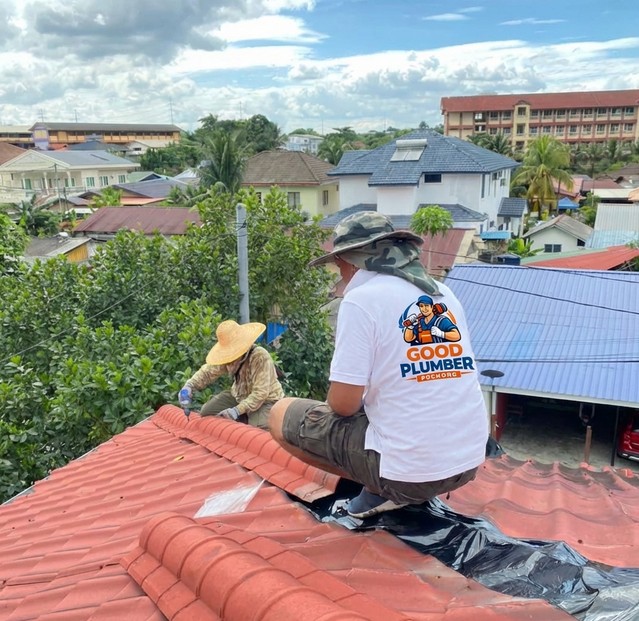
How we permanently fixed persistent ceiling leaks on a 2-storey terrace using torch-on waterproofing membrane — from diagnosis to final coat.
The homeowner at Jalan BK 5, Bandar Kinrara contacted us after noticing recurring damp patches and water stains on their first-floor ceiling. The problem had been going on for about eight months — they had already tried patching it twice with a general contractor, but the leaks kept coming back after every heavy downpour.
When I arrived for the initial inspection, the signs were clear. The existing cement screed on the flat roof had multiple hairline cracks, and the old waterproofing layer (a basic acrylic coating applied years ago) had already peeled off in several spots. Water was seeping through the cracks and pooling near the parapet wall joints — classic weak points on terrace flat roofs in this area.
This is something we see regularly in Bandar Kinrara and other parts of Puchong. Many of the terrace houses here are 15 to 25 years old, and the original waterproofing has long deteriorated. A surface-level patch is not going to solve it. You need to strip back, repair the substrate, and apply a proper membrane system.
We proposed a full torch-on waterproofing membrane system for the entire flat roof area — approximately 800 square feet. This method uses a modified bitumen sheet that is heat-bonded directly to the roof surface, forming a seamless, elastic barrier that can handle thermal expansion and heavy rainfall.
Before we could apply the membrane, the prep work was essential. We started by removing the old peeling coating using a scraper and wire brush, then grinding down any loose screed. All cracks wider than 1mm were chased out and filled with polyurethane sealant. The parapet wall joints — where the roof slab meets the vertical wall — were reinforced with additional bitumen flashing strips.
Once the surface was clean, dry, and primed with a bitumen-based primer, we applied the first layer of SBS-modified bitumen membrane using a gas torch, overlapping each sheet by at least 100mm. A second reinforcement layer was applied over the parapet junctions and any areas where ponding had been observed.
Liquid waterproofing coatings work well for minor dampness, but for a roof that already has deep cracks and failed coatings, a sheet membrane system is far more reliable. The torch-on method creates a physical barrier that is puncture-resistant and can stretch up to 30% without tearing — important for Malaysian weather where roof surfaces expand and contract daily.
The homeowner had previously used an acrylic liquid coating, which degraded within two years. With the torch-on system, we are looking at a lifespan of 10 to 15 years with minimal maintenance — which is why we provide a 5-year workmanship warranty on this type of job.
The entire project was completed in three working days. We did a flood test on the third day by ponding water on the treated roof for 48 hours — no seepage at all. The homeowner confirmed that through the following monsoon season, there were zero leaks. The ceiling water stains were repainted and have stayed clean since.
If you are dealing with a similar issue — persistent leaks, failed roof coatings, or damp ceilings — reach out to us. We will come for a free inspection and give you an honest assessment of what needs to be done.
From first inspection to final flood test — here is exactly how the job was done.
Inspected the flat roof, identified all crack lines and failed coating areas. Removed old acrylic coating with scrapers, chased out and sealed all cracks with polyurethane sealant, and cleaned the entire surface.
Applied bitumen-based primer across the full roof area. The primer needs to cure overnight before the membrane can be bonded, so we left it to set.
Laid the first layer of 4mm SBS-modified bitumen membrane using a gas torch, working in sections and ensuring at least 100mm overlap on every seam. Applied extra flashing strips at parapet wall junctions.
Applied a second membrane layer over the parapet joints and low-point ponding areas for extra protection. Sealed all edges and termination points.
Applied aluminium reflective topcoat for UV protection. Conducted a 48-hour flood test by ponding water across the treated area — zero seepage confirmed. Project signed off.
What this waterproofing project delivered for the homeowner.
No water seepage detected through the flood test and the following monsoon season — a permanent fix, not a temporary patch.
Covered by our workmanship warranty — if leaks recur from the same treated area, we come back and fix it at no cost.
Efficient execution with no unnecessary delays — from surface prep to flood test in just three working days.

Get a free on-site inspection and honest quote. We will tell you exactly what needs to be done — no upselling.
WhatsApp Us — 016-489 2821